Unlocking Nature's Master Regenerators
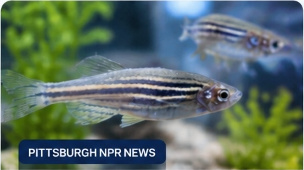
At the University of Pittsburgh, researchers in the Department of Developmental Biology have turned to an unexpected ally in the fight against chronic, non-healing wounds: the zebrafish (Danio rerio). Unlike mammals, zebrafish possess an innate capacity to regenerate complex tissues, heart muscle, and fin structures without scar tissue formation.
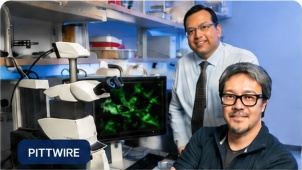
By leveraging transgenic zebrafish lines expressing dual-fluorescent biosensors, the Pitt research team led by Dr. Michael Tsang and Dr. Manush Saydmohammed mapped the precise temporal signaling pathways required for natural tissue re-epithelialization and capillary vascularization.
From Genetics to First-in-Class Therapeutics
The central breakthrough came from identifying how dual-specificity phosphatase 6 (DUSP6) acts as a molecular brake on natural tissue repair. In healthy zebrafish, DUSP6 expression is tightly dialed down following injury to permit localized, controlled FGF and MAPK/ERK signaling. In humans with type 2 diabetes and chronic vascular disease, this signaling cascade is chronically blocked.
ZegeneX Therapeutics was founded to translate this discovery into a shelf-stable small-molecule topical therapeutic, Zegen-X5, engineered to selectively release this regenerative brake and accelerate healing in diabetic foot ulcers, venous ulcers, and severe thermal trauma.
Preclinical Efficacy & Clinical Horizons
In rigorous preclinical murine and in vivo wound-healing assays, Zegen-X5 demonstrated a 42% acceleration in closure rate by Day 7 and achieved ~90% re-epithelialization in diabetic impaired-healing models by Day 10 without systemic toxicity or aberrant mitogenic signaling.
With core composition-of-matter patent protection secured from the University of Pittsburgh and USPTO trademarks registered, ZegeneX is now completing IND-enabling toxicology studies in preparation for upcoming Phase I human clinical trials.
Translational Innovation from the University of Pittsburgh
ZegeneX Therapeutics is advancing first-in-class small-molecule regenerative wound healing formulations licensed from the University of Pittsburgh to eliminate avoidable diabetic amputations worldwide.