
The Biology of Stalled Healing
More than 18.6 million people worldwide suffer from diabetic foot ulcers (DFUs) annually, leading to over 160,000 lower-limb amputations in the United States alone. Traditional wound care approaches—ranging from basic dressings to expensive cryopreserved biologics—fail to address the underlying cellular arrest that traps chronic ulcers in a vicious cycle of inflammation and tissue necrosis.
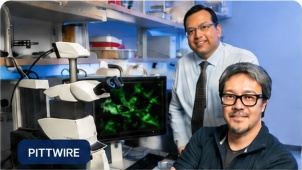
In the laboratory of Dr. Michael Tsang at the University of Pittsburgh, scientists uncovered the cellular mechanics behind this stall. Using high-throughput phenotypic screening in zebrafish embryos, the team visualized how cell migration, extracellular matrix deposition, and capillary sprouting coordinate in real-time during wound closure.
The Breakthrough: Small Molecules Over Fragile Biologics
Biologic therapies like recombinant growth factors (rhPDGF) suffer from severe limitations: they require continuous sub-zero cold chain storage, degrade within hours at room temperature, and trigger rapid receptor desensitization. When applied repeatedly, patient cells downregulate surface receptors, rendering the expensive treatment ineffective.
ZegeneX’s synthetic small-molecule formulation, Zegen-X5, takes a completely different path. By modulating endogenous intracellular signaling pathways rather than delivering external proteins, it stimulates the wound bed to produce its own balanced, physiological cocktail of VEGF, FGF-2, and TGF-β without receptor exhaustion.
24+ Month Ambient Stability
Crucially, because Zegen-X5 is a small molecule, it remains biologically stable for over 24 months at 25°C (ambient room temperature) under standard ICH Q1A protocols. This unlocks direct-to-patient deployment across outpatient clinics, home care environments, and underserved global regions where cold-chain logistics are impossible.
Translational Innovation from the University of Pittsburgh
ZegeneX Therapeutics is advancing first-in-class small-molecule regenerative wound healing formulations licensed from the University of Pittsburgh to eliminate avoidable diabetic amputations worldwide.